




How do I operate the controls of an electric forklift?
 Oct 01, 2025|
 Operating the controls of an electric forklift requires a combination of knowledge, skill, and practice. As a supplier of electric forklifts, I understand the importance of providing clear guidance on how to operate these machines safely and efficiently. In this blog post, I'll share my insights on how to operate the controls of an electric forklift, covering everything from pre - operation checks to advanced maneuvering.
Pre - operation Checks
Before you start operating an electric forklift, it's crucial to conduct a thorough pre - operation check. This not only ensures your safety but also the proper functioning of the forklift.
First, visually inspect the forklift. Check the tires for any signs of damage, such as cuts or excessive wear. Ensure that the forks are in good condition, without any bends or cracks. Look at the mast for proper alignment and any signs of structural damage.
Next, check the battery. The battery is the heart of an electric forklift. Make sure it is properly charged and that the connections are clean and tight. Low battery levels can lead to reduced performance and may even cause the forklift to stop working during operation.
Inspect the controls themselves. Check the steering wheel for smooth movement, the brake pedal for proper responsiveness, and the accelerator pedal for consistent operation. Also, test the horn to ensure it is working, as it is an important safety feature.
Starting the Forklift
Once the pre - operation checks are complete, you can start the electric forklift. Locate the key switch, usually located on the dashboard or near the operator's seat. Insert the key and turn it to the "on" position. You may hear a beep or see some indicator lights come on, which is normal.
After turning on the forklift, wait for a few seconds to allow the system to initialize. Some forklifts may have a self - diagnostic system that checks for any faults during this initialization period.
Understanding the Basic Controls
Steering
The steering wheel of an electric forklift works in a similar way to that of a car, but with some differences due to the forklift's unique design. When turning the steering wheel, the forklift's rear wheels turn, which gives it a tight turning radius. This is very useful in tight spaces, such as warehouses. However, it also means that the forklift's rear end will swing out when turning, so you need to be aware of your surroundings.
Accelerator and Brake
The accelerator pedal is used to control the speed of the forklift. Pressing the accelerator gently will make the forklift move forward or backward at a slow speed, while pressing it harder will increase the speed. The brake pedal, on the other hand, is used to stop the forklift. It is important to apply the brake smoothly to avoid sudden stops, which can cause the load to shift or the forklift to tip over.
Lift and Tilt Controls
The lift and tilt controls are used to manipulate the forks. There are usually two levers for these functions. One lever is used to raise and lower the forks. Pulling the lever towards you will raise the forks, while pushing it away will lower them. The other lever is used to tilt the mast forward and backward. Tilting the mast forward is useful when you are picking up a load, and tilting it backward helps to keep the load stable during transport.
Loading and Unloading
When loading a pallet or other load, approach the load slowly and align the forks with the pallet openings. Make sure the forks are at the correct height before inserting them into the pallet. Once the forks are fully inserted, use the lift control to raise the load slightly off the ground. Then, tilt the mast backward to stabilize the load.
When unloading, drive to the desired location and align the load with the storage area. Tilt the mast forward slightly to position the load correctly. Then, lower the forks using the lift control until the load is placed safely on the storage surface.
Advanced Maneuvering
Driving in Reverse
Driving an electric forklift in reverse requires extra caution. Since your visibility is limited when driving backward, use the rear - view mirrors to check for any obstacles. Make sure to turn your head and look over your shoulder as well. When reversing, drive slowly and use the horn to alert others of your movement.

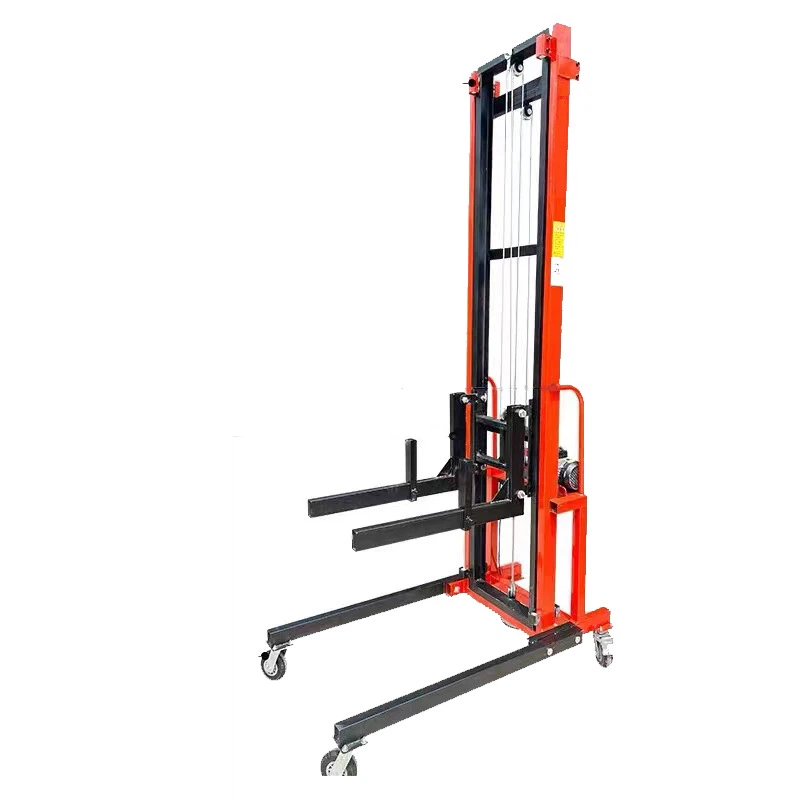
Turning in Tight Spaces
Electric forklifts are designed to be maneuverable in tight spaces. To make a turn in a narrow aisle, approach the turn slowly. Use the forklift's tight turning radius to your advantage. Start turning the steering wheel early and make small, precise adjustments to ensure a smooth turn.
Safety Considerations
Safety is of utmost importance when operating an electric forklift. Always wear a seatbelt if the forklift is equipped with one. Keep your feet and hands inside the operator's compartment at all times.
When carrying a load, make sure it is evenly distributed on the forks and within the forklift's load capacity. Overloading can cause the forklift to tip over, which is extremely dangerous.
Be aware of your surroundings at all times. Watch out for pedestrians, other forklifts, and obstacles. Use the horn when approaching intersections, blind spots, or when backing up.
Maintenance and Troubleshooting
Regular maintenance is essential for the proper operation of an electric forklift. Follow the manufacturer's recommended maintenance schedule, which may include tasks such as battery charging, tire rotation, and lubrication of moving parts.
If you encounter any problems with the forklift, such as strange noises, reduced performance, or control malfunctions, stop using the forklift immediately. Contact a qualified technician to diagnose and repair the issue.
Related Products
As an electric forklift supplier, we also offer a range of related products that can enhance your material handling operations. For example, you might be interested in our Curving Boom Loading And Unloading Truck, which is designed for more complex loading and unloading tasks. Our Air Duct Lift is a specialized forklift for handling air ducts, and the Fire Pipe Lift is ideal for transporting fire pipes.
Conclusion
Operating the controls of an electric forklift is a skill that can be mastered with practice and proper training. By following the steps outlined in this blog post, you can operate an electric forklift safely and efficiently. If you are interested in purchasing an electric forklift or have any questions about our products, please feel free to contact us for further discussion and procurement negotiations.
References
- Forklift Operator's Manuals from various manufacturers
- Occupational Safety and Health Administration (OSHA) guidelines on forklift operation
- Industry best practices for electric forklift operation and maintenance