




How to train employees to operate an electric pallet truck safely?
 Jul 22, 2025|
 Training employees to operate an electric pallet truck safely is crucial for any business that uses these machines. As a supplier of Electric Pallet Trucks, I've seen firsthand the importance of proper training. In this blog, I'll share some tips on how to train your employees to operate these trucks safely.
1. Pre - training Preparation
Before you start the actual training, there are a few things you need to do. First, gather all the necessary materials. This includes the operator's manual for the Electric Pallet Truck you're using. The manual is a goldmine of information about the truck's features, capabilities, and safety procedures.
Next, assess your employees' current knowledge and skills. You can do this through a simple questionnaire or an informal chat. This will help you tailor the training to their specific needs. For example, if some employees have prior experience with forklifts or similar equipment, you can focus more on the differences between those machines and the electric pallet truck.
2. Classroom Training
Classroom training is the first step in the process. It's where you'll introduce your employees to the basic concepts of operating an electric pallet truck. Start by explaining the different parts of the truck. Point out the controls, such as the steering wheel, the lift and lower buttons, and the accelerator and brake pedals.
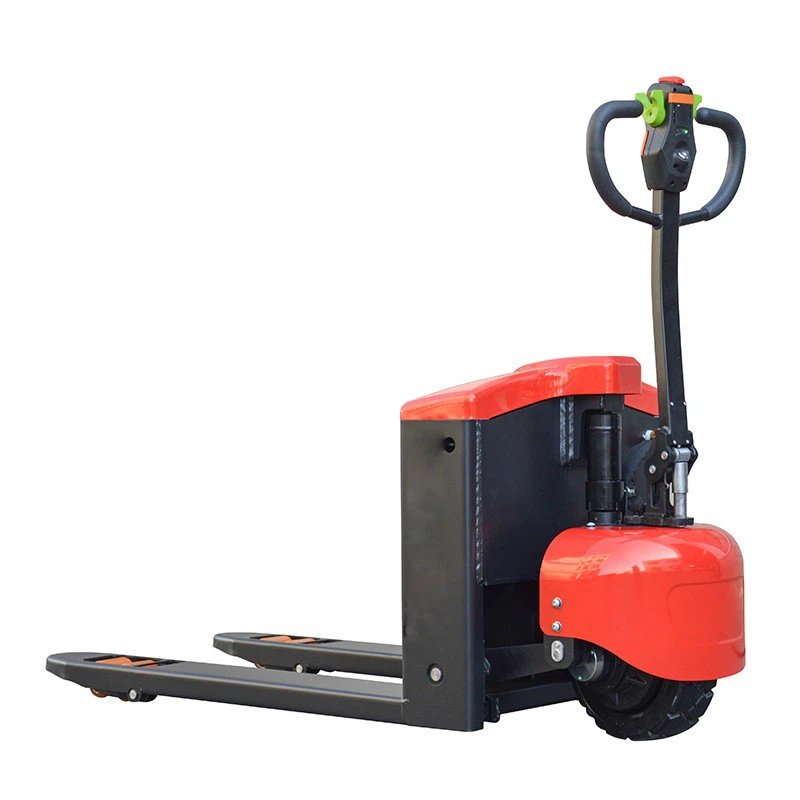

Talk about the safety features of the Electric Pallet Truck. For instance, most trucks have an emergency stop button that can be used in case of an emergency. Make sure your employees know where this button is and how to use it.
Another important topic is load capacity. Every electric pallet truck has a maximum load capacity, and it's essential that your employees understand this. Overloading the truck can not only damage the machine but also pose a serious safety risk. Show them how to read the load capacity label on the truck and how to calculate the weight of the load they're carrying.
You can also use visual aids during the classroom training. Videos and diagrams can be very helpful in explaining complex concepts. For example, you can show a video of how to properly load and unload a pallet using an electric pallet truck.
3. Practical Training
After the classroom training, it's time for the practical part. This is where your employees will get hands - on experience operating the Electric Pallet Truck. Start in a controlled environment, such as an empty warehouse or a parking lot.
Begin with the basics, like starting and stopping the truck. Teach your employees how to properly position their hands on the steering wheel and how to use the controls smoothly. Have them practice driving in a straight line, making turns, and backing up.
Once they're comfortable with the basic driving skills, move on to loading and unloading pallets. Show them how to approach a pallet, insert the forks, and lift and lower the load safely. Emphasize the importance of keeping the load stable and balanced.
It's also important to teach them how to navigate around obstacles. Set up some cones or other objects in the training area and have them practice driving around them. This will help them develop the skills they need to operate the truck safely in a real - world environment.
4. Safety Procedures
Safety should be the top priority during the training. Teach your employees the importance of wearing personal protective equipment (PPE), such as safety shoes, hard hats, and high - visibility vests.
Discuss the proper way to inspect the Electric Pallet Truck before each use. This includes checking the tires, the brakes, the battery, and the forks. If any problems are found, the truck should not be used until it has been repaired.
Teach them about the right - of - way rules in the workplace. For example, pedestrians always have the right - of - way. Your employees should always be on the lookout for pedestrians and give them plenty of space.
Also, talk about the importance of keeping the work area clean and free of clutter. A cluttered work area can increase the risk of accidents.
5. Refresher Training
Training is not a one - time event. It's important to provide refresher training on a regular basis. This can help reinforce the safety procedures and keep your employees up - to - date on any new features or regulations related to the Electric Pallet Truck.
You can schedule refresher training sessions every six months or once a year. These sessions can be a combination of classroom and practical training. For example, you can review the safety procedures in the classroom and then have your employees practice their skills on the truck.
6. Training for Special Situations
In addition to the basic training, you may also need to provide training for special situations. For example, if your workplace has narrow aisles, you'll need to teach your employees how to operate the Electric Pallet Truck in these tight spaces.
If you use other types of cargo - handling equipment, such as Air Duct Lift or Curving Boom Loading And Unloading Truck, you may need to provide cross - training. This will help your employees understand how these different machines interact and how to work safely in an environment where multiple types of equipment are used.
7. Evaluation
Finally, it's important to evaluate your employees' performance. You can do this through written tests, practical assessments, or a combination of both. The written test can cover the knowledge they've learned during the classroom training, such as safety procedures and load capacity.
The practical assessment should be done in a real - world or simulated environment. Watch your employees as they operate the Electric Pallet Truck and look for any signs of unsafe behavior. Provide feedback and coaching to help them improve their skills.
If you're looking to purchase high - quality electric pallet trucks or need more information about training your employees, don't hesitate to reach out. We're here to help you ensure the safety and efficiency of your operations. Whether you're a small business or a large corporation, we have the right solutions for you.
References
- OSHA (Occupational Safety and Health Administration) guidelines on forklift safety.
- Manufacturer's operator manuals for electric pallet trucks.
- Industry best practices for cargo - handling equipment training.