




What are the common problems with cargo fork lifts?
 Sep 11, 2025|
 Hey there! I'm a supplier of cargo fork lifts, and over the years, I've seen my fair share of issues that customers run into with these machines. In this blog, I'm gonna share some of the common problems with cargo fork lifts that you should be aware of.
1. Battery - Related Issues
One of the most frequent problems we encounter is battery - related. For electric cargo fork lifts, like the Electric Pallet Truck, the battery is the heart of the machine. If the battery isn't properly maintained, it can lead to a whole bunch of headaches.
First off, sulfation can occur. This happens when the battery is left in a discharged state for too long. Sulfate crystals build up on the battery plates, reducing the battery's capacity and lifespan. You'll notice that the lift doesn't run as long on a single charge as it used to.
Another issue is overcharging. Some operators might leave the battery on the charger overnight, thinking it's a good idea. But overcharging can cause the battery to overheat, which can damage the internal components. This not only shortens the battery life but can also be a safety hazard.
Undercharging is also a problem. If the battery isn't fully charged before use, the lift will have less power available, and it might struggle to lift heavy loads. It can also lead to uneven wear on the battery cells, further reducing its performance.
2. Hydraulic System Failures
The hydraulic system is crucial for cargo fork lifts as it's responsible for raising and lowering the forks. A common problem with the hydraulic system is leaks. Hydraulic fluid leaks can occur due to worn - out seals, damaged hoses, or loose connections.
When there's a leak, the lift might not be able to lift loads properly. You might notice that the forks move slowly or that they can't reach the desired height. Not only does this affect the lift's performance, but it can also be a mess. Hydraulic fluid is messy to clean up, and it can be a safety hazard if it spills on the floor, creating a slippery surface.
Another issue with the hydraulic system is contamination. Dirt, debris, or water can get into the hydraulic fluid, causing damage to the pumps, valves, and cylinders. This can lead to erratic operation of the forks and can eventually result in system failure.
3. Fork and Mast Problems
The forks and mast are the parts of the cargo fork lift that come into direct contact with the loads. Forks can get bent or damaged over time, especially if they're used to lift heavy or irregularly - shaped loads. A bent fork can make it difficult to pick up and transport loads safely. It can also cause the load to shift during transport, increasing the risk of accidents.
The mast, which is the vertical structure that supports the forks, can also have problems. Worn - out rollers or guides can cause the mast to shake or move unevenly when the forks are raised or lowered. This not only affects the stability of the lift but can also put extra stress on the mast components, leading to premature wear and potential failure.
4. Electrical System Malfunctions
In modern cargo fork lifts, the electrical system controls a lot of the functions, from the lights to the horn and the lift's movement. Electrical problems can be a real pain to diagnose and fix.
One common issue is a blown fuse. Fuses are designed to protect the electrical system from overloading. If there's a short - circuit or an electrical component draws too much current, the fuse will blow. When a fuse blows, the affected component will stop working. For example, if the fuse for the headlights blows, you won't be able to see properly in low - light conditions.
Loose or corroded electrical connections can also cause problems. Over time, vibrations can cause the connections to loosen, and corrosion can occur due to exposure to moisture. This can lead to intermittent electrical failures, where a component might work one minute and then stop working the next.
5. Tire Wear and Tear
The tires on a cargo fork lift are essential for stability and mobility. Different types of tires are used depending on the application, such as pneumatic tires for outdoor use and solid tires for indoor use.
Pneumatic tires can get punctured, just like the tires on a car. A puncture can cause the tire to lose air, which can affect the lift's stability. If the tire pressure isn't maintained at the correct level, it can also lead to uneven wear.
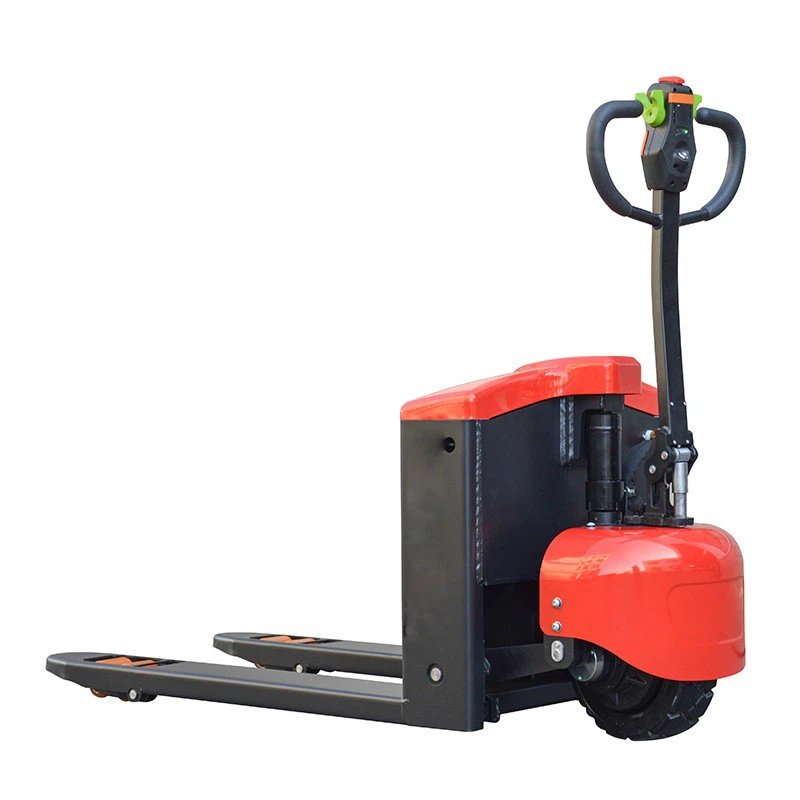
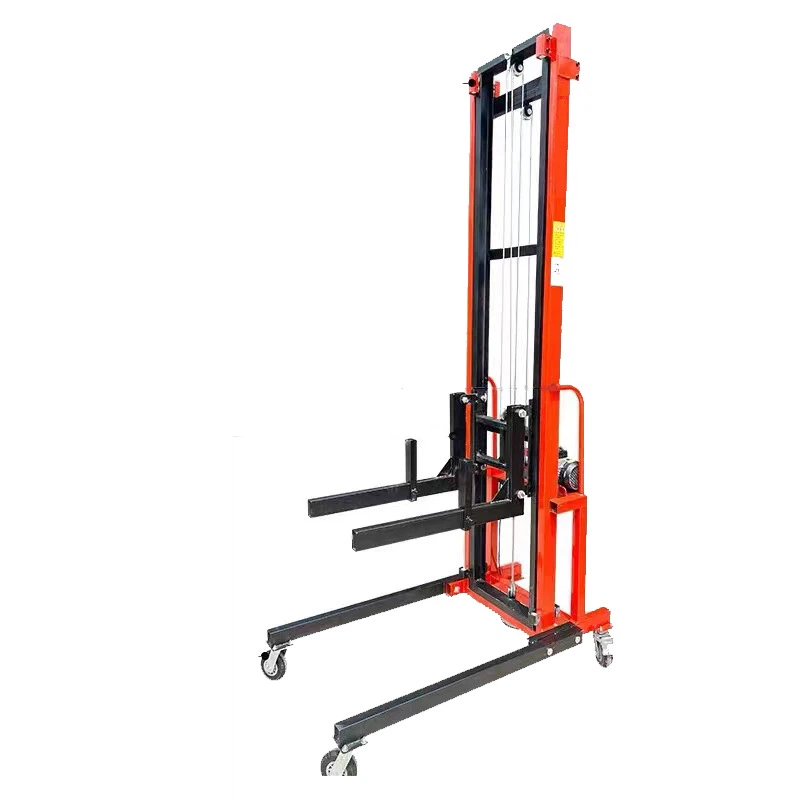
Solid tires, on the other hand, can wear down over time. The constant friction with the floor surface can cause the tread to wear away, reducing the tire's grip. This can be especially dangerous when the lift is moving on a slippery surface or when it's turning at high speeds.
6. Engine Problems (for Gas or Diesel Fork Lifts)
For gas or diesel - powered cargo fork lifts, engine problems can be a major headache. One common issue is poor fuel economy. This can be caused by a variety of factors, such as a dirty air filter, a clogged fuel injector, or an improperly adjusted carburetor. When the engine isn't running efficiently, it will use more fuel to do the same amount of work, increasing operating costs.
Another problem is engine overheating. This can be due to a malfunctioning cooling system, such as a faulty radiator fan or a clogged radiator. Overheating can cause serious damage to the engine, including warped cylinder heads and damaged pistons.
Engine starting problems are also common. A weak battery, a faulty starter motor, or a problem with the ignition system can prevent the engine from starting. This can be a real inconvenience, especially if you're in the middle of a busy workday.
7. Operator - Related Issues
Sometimes, the problems with cargo fork lifts aren't due to mechanical or electrical issues but are caused by the operators. Improper operation can lead to a lot of problems.
For example, overloading the lift is a common mistake. Each cargo fork lift has a maximum load capacity, and exceeding this capacity can put a lot of stress on the lift's components. It can cause the forks to bend, the mast to buckle, and the hydraulic system to fail. It also increases the risk of the lift tipping over, which can be extremely dangerous.
Rough handling is another issue. Some operators might drive the lift too fast, make sharp turns, or slam on the brakes. This can cause unnecessary wear and tear on the lift's components, such as the tires, the suspension, and the frame. It can also increase the risk of accidents, both for the operator and for other people in the area.
8. Lack of Maintenance
One of the biggest problems with cargo fork lifts is a lack of proper maintenance. Many companies don't have a regular maintenance schedule for their lifts, or they don't follow it properly.
Regular maintenance is essential to keep the lift in good working condition. It includes tasks such as checking the fluid levels, inspecting the brakes, lubricating the moving parts, and testing the safety features. Without regular maintenance, small problems can turn into big ones, and the lift's lifespan can be significantly reduced.
If you're facing any of these problems with your cargo fork lifts, don't worry. As a supplier, I have a team of experienced technicians who can help you diagnose and fix these issues. We also offer a wide range of high - quality cargo fork lifts, including the Fire Pipe Lift and the Curving Boom Loading And Unloading Truck.
If you're in the market for a new cargo fork lift or need help with your existing ones, I'd love to have a chat with you. Contact me to discuss your requirements, and we can work together to find the best solution for your business.
References
- Forklift Safety Guide, Occupational Safety and Health Administration (OSHA)
- Maintenance Best Practices for Industrial Forklifts, Industrial Equipment Manufacturers Association (IEMA)