




What is the speed of an air duct lift's lifting and lowering?
 Nov 05, 2025|
 Hey there! I'm a supplier of Air Duct Lifts, and today I wanna chat about a question that often pops up: What is the speed of an air duct lift's lifting and lowering?
First off, let's understand why the speed of an air duct lift matters. In a construction or industrial setting, time is money. A faster lifting and lowering speed can significantly boost productivity. For instance, if you're working on a large - scale ventilation system installation, getting the air ducts up and down quickly means you can finish the job in less time, and that's a huge plus for contractors.
Now, the speed of an air duct lift's lifting and lowering isn't a one - size - fits - all number. It can vary based on several factors.
Factors Affecting the Speed
1. Power Source
The power source of the air duct lift plays a major role. There are generally electric and hydraulic air duct lifts. Electric lifts are often more precise in speed control. They can offer a relatively consistent lifting and lowering speed. For example, a well - designed electric air duct lift might have a lifting speed of around 0.1 - 0.3 meters per second. This speed is great for jobs where you need to place the air ducts with high accuracy, like in a cleanroom installation where any sudden movement could cause contamination.
On the other hand, hydraulic air duct lifts can sometimes achieve higher speeds. They work by using hydraulic fluid to generate force. The lifting speed of a hydraulic air duct lift can range from 0.2 - 0.5 meters per second, depending on the system's design and the power of the hydraulic pump. However, the speed of hydraulic lifts can be a bit more variable, especially if the hydraulic fluid is cold or the system is under heavy load.
2. Load Capacity
The weight of the air duct being lifted is another crucial factor. Just like it takes more effort to run with a heavy backpack than with a light one, an air duct lift will move slower when it's carrying a heavier load. A lift with a lower load capacity, say 500 kilograms, might be able to lift and lower at a relatively brisk pace. But if you're trying to lift a large, heavy air duct that's close to the lift's maximum capacity, the speed will drop. For example, if a lift is rated for 1000 kilograms and you're lifting an 800 - kilogram air duct, it might lift at 0.2 meters per second, but if you're only lifting a 200 - kilogram duct, the speed could increase to 0.35 meters per second.
3. Lift Design
The design of the air duct lift also affects its speed. Some lifts are built with a simple, straightforward mechanism that allows for quick movement. These lifts often have fewer moving parts, which means less friction and a faster operation. Other lifts, especially those with more complex safety features or additional functionality, might be a bit slower. For example, a lift with an automatic leveling system that adjusts the platform to keep it horizontal during lifting and lowering might have a slightly slower speed because the system needs time to make the necessary adjustments.
Comparing with Other Lifting Equipment
It's interesting to compare the speed of air duct lifts with other types of lifting equipment. For example, a Brick Lift is mainly used for moving bricks and other building materials. Brick lifts are usually designed for heavy - duty, continuous lifting. They might have a lifting speed similar to some air duct lifts, but they are optimized for handling bulky and heavy loads.
An Electric Forklift is another common lifting device. Electric forklifts are very versatile and can be used in a wide range of applications, from warehouses to construction sites. They often have a faster lifting speed compared to air duct lifts, especially when it comes to small - to medium - sized loads. An electric forklift can lift at speeds of up to 0.5 - 0.8 meters per second. However, forklifts are not as specialized for air duct installation as air duct lifts, which are designed to hold and position air ducts safely and accurately.
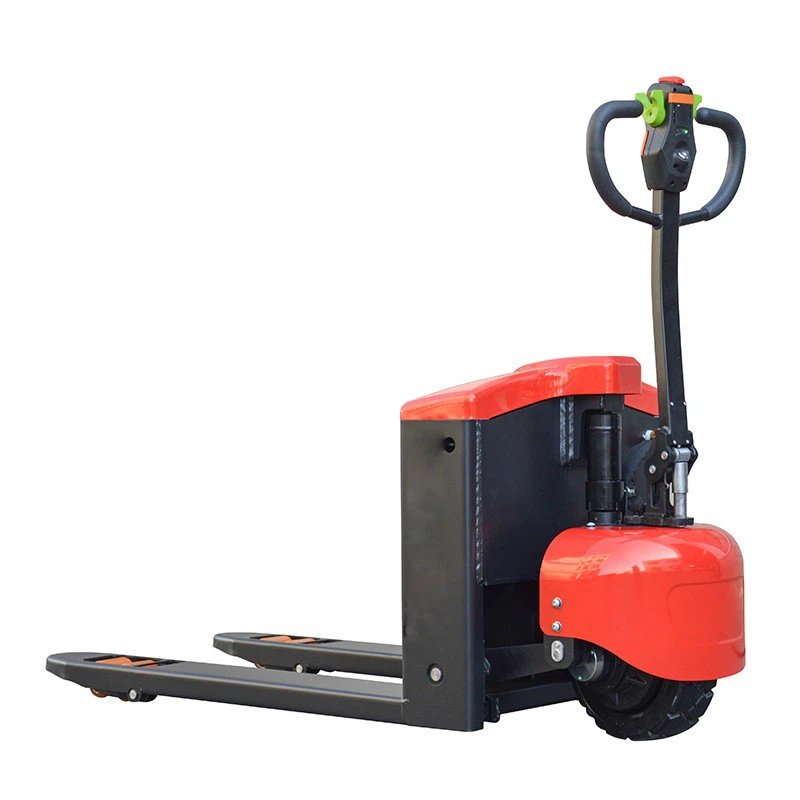
An Electric Pallet Truck is mainly used for moving pallets in a warehouse environment. They are relatively fast at moving pallets horizontally but have a much slower lifting speed compared to air duct lifts. Their lifting speed is usually around 0.05 - 0.15 meters per second, as they are more focused on efficient horizontal transportation rather than vertical lifting.
Importance of Speed in Different Applications
1. Small - Scale Installations
In small - scale air duct installations, like in a single - family home, the speed of the lift might not be the most critical factor. Precision and ease of use are often more important. A slower - moving lift can be beneficial here, as it allows the installer to carefully position the air ducts in tight spaces. For example, when installing air ducts in an attic with limited headroom, a lift that moves slowly and steadily can prevent damage to the ducts and the surrounding structure.
2. Large - Scale Commercial Projects
For large - scale commercial projects, such as installing air ducts in a shopping mall or an office building, speed becomes a top priority. With a large number of air ducts to install, a faster - moving lift can save a significant amount of time. This not only reduces labor costs but also allows the project to be completed on schedule. A lift with a higher lifting and lowering speed can keep the installation process flowing smoothly, minimizing downtime between duct placements.
How to Choose the Right Speed for Your Needs
When you're in the market for an air duct lift, it's important to consider your specific needs. If you're mainly working on small - scale jobs, a lift with a slower but more precise speed might be the best choice. On the other hand, if you're involved in large - scale commercial projects, look for a lift that can offer a higher lifting and lowering speed.
Also, don't forget to consider the load capacity and the power source. Make sure the lift can handle the weight of the air ducts you'll be working with, and choose a power source that suits your work environment. For example, if you're working in an area with limited access to electricity, a hydraulic lift might be a better option.
Conclusion
So, as you can see, the speed of an air duct lift's lifting and lowering is influenced by many factors, including the power source, load capacity, and lift design. There's no one perfect speed for all applications, and it's important to choose a lift that meets your specific needs.

If you're interested in learning more about our Air Duct Lifts or have any questions about the speed and other features, feel free to reach out. We're here to help you find the right lifting solution for your projects. Whether you're a contractor, an installer, or someone involved in the construction industry, we can offer you professional advice and high - quality products. Let's have a chat and see how we can work together to make your air duct installation projects a success.
References
- Construction Equipment Handbook: Lifting and Moving Equipment
- Industry reports on air duct installation and lifting technology