




What maintenance is required for an electric forklift?
 Aug 21, 2025|
 Maintaining an electric forklift is crucial for ensuring its optimal performance, longevity, and safety. As a leading supplier of Electric Forklift, we understand the importance of proper maintenance and are here to guide you through the essential aspects of keeping your electric forklift in top condition.

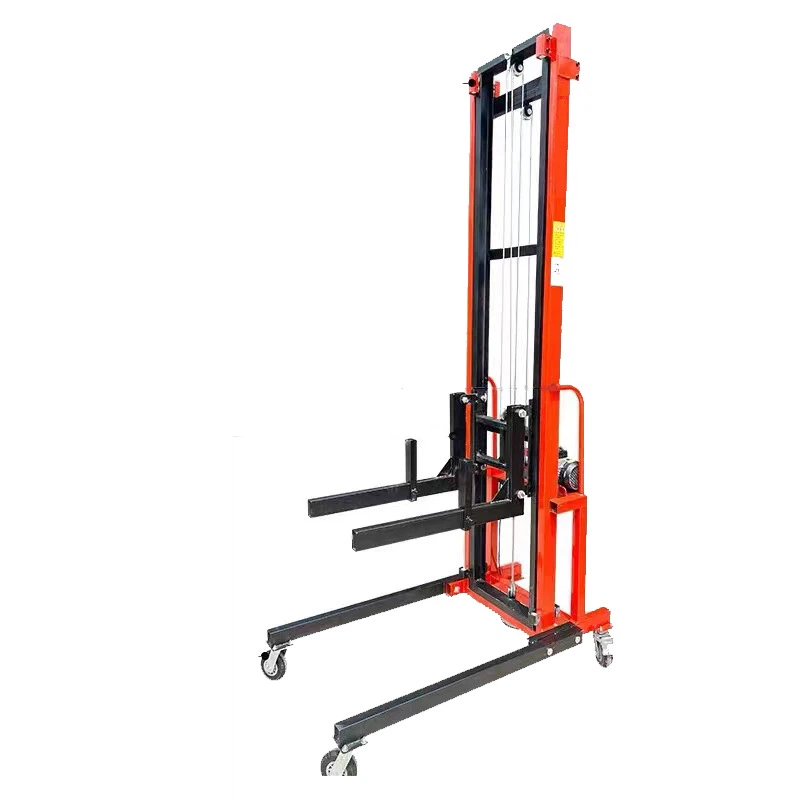
Battery Maintenance
The battery is the heart of an electric forklift, and proper battery maintenance is vital for its efficient operation. Here are some key points to consider:
- Charging: Always follow the manufacturer's instructions for charging the battery. Overcharging or undercharging can significantly reduce the battery's lifespan. Use a charger specifically designed for your forklift's battery type and ensure that the charging area is well-ventilated to prevent the buildup of explosive gases.
- Watering: Most electric forklift batteries require regular watering to maintain the proper electrolyte level. Check the water level in each cell at least once a week and add distilled water as needed. Avoid overfilling the cells, as this can cause electrolyte leakage and damage to the battery.
- Cleaning: Keep the battery terminals and connections clean and free of corrosion. Use a wire brush or a battery terminal cleaner to remove any dirt or corrosion from the terminals. Apply a thin layer of petroleum jelly or anti-corrosion spray to the terminals to prevent future corrosion.
- Equalizing Charge: Periodically perform an equalizing charge on the battery to ensure that all cells are fully charged and balanced. This helps to extend the battery's lifespan and improve its performance. Consult the manufacturer's instructions for the recommended frequency and procedure for equalizing charging.
Tire Maintenance
The tires of an electric forklift play a crucial role in its stability, maneuverability, and safety. Here are some tips for maintaining your forklift's tires:
- Tire Pressure: Check the tire pressure regularly using a tire pressure gauge. Maintaining the correct tire pressure is essential for optimal performance and to prevent premature tire wear. Refer to the forklift's operator's manual for the recommended tire pressure.
- Tire Tread: Inspect the tire tread regularly for signs of wear or damage. Worn or damaged tires can reduce traction and increase the risk of accidents. Replace the tires when the tread depth reaches the minimum recommended level.
- Alignment: Ensure that the forklift's wheels are properly aligned. Misaligned wheels can cause uneven tire wear, reduce steering control, and increase the risk of tire failure. Have the wheels aligned by a qualified technician if necessary.
- Tire Rotation: Rotate the tires regularly to ensure even wear. This helps to extend the lifespan of the tires and improve the forklift's performance. Refer to the forklift's operator's manual for the recommended tire rotation pattern.
Fork and Mast Maintenance
The fork and mast are essential components of an electric forklift, and proper maintenance is crucial for their safe and efficient operation. Here are some important maintenance tasks for the fork and mast:
- Inspection: Regularly inspect the fork and mast for signs of wear, damage, or deformation. Check the fork tips for cracks or excessive wear, and ensure that the mast is straight and free of any bent or damaged parts. Replace any worn or damaged components immediately.
- Lubrication: Lubricate the fork and mast components regularly to reduce friction and wear. Use a high-quality lubricant recommended by the manufacturer. Pay special attention to the pivot points, rollers, and chains.
- Adjustment: Ensure that the fork and mast are properly adjusted. The forks should be parallel and level, and the mast should be able to lift and lower smoothly. Adjust the fork and mast as needed to ensure proper operation.
- Safety Devices: Check the safety devices on the fork and mast, such as the load backrest, tilt cylinders, and hydraulic hoses, for proper functioning. Replace any faulty safety devices immediately to ensure the safety of the operator and the load.
Electrical System Maintenance
The electrical system of an electric forklift is complex and requires regular maintenance to ensure its reliability and safety. Here are some important maintenance tasks for the electrical system:
- Inspection: Regularly inspect the electrical components, such as the battery cables, connectors, fuses, and switches, for signs of wear, damage, or corrosion. Check the wiring for any loose or frayed connections. Replace any worn or damaged components immediately.
- Cleaning: Keep the electrical components clean and free of dirt, dust, and debris. Use a soft brush or compressed air to clean the components. Avoid using water or other liquids to clean the electrical components, as this can cause short circuits.
- Testing: Test the electrical system regularly using a multimeter or other appropriate testing equipment. Check the battery voltage, charging system output, and the operation of the electrical controls. If any problems are detected, have the system repaired by a qualified technician.
- Battery Disconnect: When performing maintenance on the electrical system, always disconnect the battery to prevent the risk of electric shock. Use a battery disconnect switch or remove the battery cables to isolate the electrical system.
Hydraulic System Maintenance
The hydraulic system of an electric forklift is responsible for lifting and lowering the load, as well as tilting the mast. Proper maintenance of the hydraulic system is essential for its reliable operation. Here are some important maintenance tasks for the hydraulic system:
- Fluid Level: Check the hydraulic fluid level regularly using the dipstick or sight glass. Maintain the fluid level within the recommended range. If the fluid level is low, add the recommended hydraulic fluid to the reservoir.
- Fluid Quality: Inspect the hydraulic fluid for signs of contamination or degradation. Cloudy or discolored fluid may indicate the presence of dirt, water, or other contaminants. Replace the hydraulic fluid if it is contaminated or has reached the end of its service life.
- Filter Replacement: Replace the hydraulic filters regularly to prevent the buildup of dirt and debris in the system. Refer to the forklift's operator's manual for the recommended filter replacement interval.
- Hose Inspection: Inspect the hydraulic hoses for signs of wear, damage, or leakage. Check the hoses for cracks, bulges, or loose connections. Replace any worn or damaged hoses immediately to prevent hydraulic fluid leaks.
Regular Maintenance Schedule
To ensure the proper maintenance of your electric forklift, it is recommended to follow a regular maintenance schedule. Here is a sample maintenance schedule that you can use as a guide:
- Daily Maintenance:
- Check the battery water level and add distilled water if necessary.
- Inspect the tires for proper inflation and wear.
- Check the fork and mast for signs of damage or wear.
- Test the safety devices, such as the horn, lights, and brakes.
- Clean the forklift and remove any dirt or debris.
- Weekly Maintenance:
- Check the battery terminals and connections for corrosion.
- Lubricate the fork and mast components.
- Inspect the hydraulic system for leaks and fluid level.
- Check the electrical system for loose connections or damaged wires.
- Monthly Maintenance:
- Perform an equalizing charge on the battery.
- Rotate the tires to ensure even wear.
- Check the alignment of the wheels.
- Replace the hydraulic filters.
- Quarterly Maintenance:
- Have the forklift serviced by a qualified technician.
- Inspect the battery for signs of wear or damage.
- Check the hydraulic system for proper operation.
- Test the electrical system for proper functioning.
- Annual Maintenance:
- Have the forklift thoroughly inspected and serviced by a qualified technician.
- Replace the battery if it is nearing the end of its service life.
- Check the fork and mast for structural integrity.
- Calibrate the forklift's sensors and controls.
Conclusion
Proper maintenance of an electric forklift is essential for ensuring its optimal performance, longevity, and safety. By following the maintenance tips and schedule outlined in this blog, you can keep your forklift in top condition and avoid costly repairs and downtime. As a leading supplier of Electric Forklift, we are committed to providing our customers with high-quality products and excellent customer service. If you have any questions or need further assistance with forklift maintenance, please do not hesitate to contact us. We are here to help you make the most of your electric forklift and ensure its reliable operation for years to come.
If you are in the market for a new electric forklift or need to replace your existing one, we invite you to explore our wide range of Electric Forklift models. Our forklifts are designed to meet the highest standards of quality, performance, and safety, and are backed by our comprehensive warranty and after-sales support. Contact us today to learn more about our products and services and to discuss your specific requirements. We look forward to working with you and helping you find the perfect electric forklift for your business.
References
- Manufacturer's operator's manuals for electric forklifts.
- Industry standards and guidelines for forklift maintenance.
- Technical resources and publications on electric forklift technology.