




What training is required to operate an electric forklift?
 Nov 14, 2025|
 Operating an electric forklift is no walk in the park. It requires a specific set of skills and knowledge to ensure safety and efficiency in the workplace. As an electric forklift supplier, I've seen firsthand the importance of proper training. In this blog, I'll break down the training required to operate an electric forklift and why it's crucial for both operators and businesses.
Understanding the Basics of Electric Forklifts
Before diving into the training, it's essential to understand what an electric forklift is and how it differs from other types of forklifts. Electric forklifts are powered by batteries, which makes them more environmentally friendly and quieter than their gas or diesel counterparts. They're commonly used in indoor settings, such as warehouses and distribution centers, where emissions and noise levels need to be kept to a minimum.
Pre - Training Requirements
First off, potential operators should have a basic understanding of machinery and be physically capable of handling the demands of operating a forklift. This includes having good eyesight, hearing, and physical coordination. A good sense of balance is also important since forklifts can be top - heavy and prone to tipping if not handled correctly.
Classroom Training
The first phase of forklift training usually takes place in a classroom setting. Here, operators learn about the theoretical aspects of forklift operation.
Safety Regulations
One of the most critical parts of classroom training is learning about safety regulations. Operators need to understand local, state, and federal laws regarding forklift operation. This includes rules about load capacity, speed limits in the workplace, and proper signage. For example, it's illegal to operate a forklift at a speed that endangers people or property. In many places, forklifts must be equipped with safety features like horns, lights, and seat belts, and operators are required to use them.
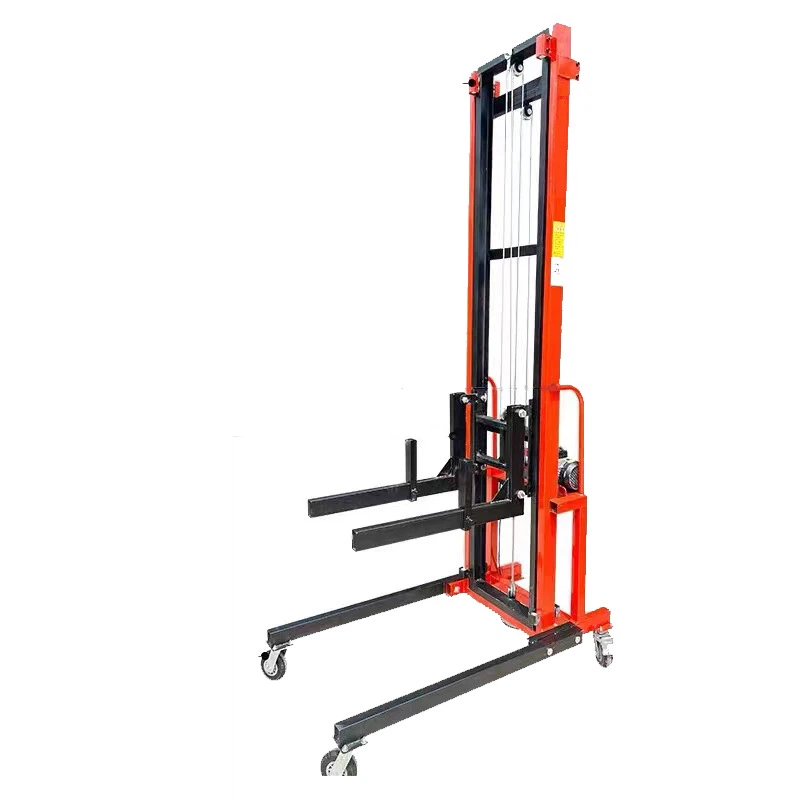

Forklift Components
Operators also need to learn about the different components of an electric forklift. They'll study the battery system, the mast, the forks, and the control panel. Understanding how each part works is essential for proper operation and maintenance. For instance, knowing how to read the battery gauge can prevent the forklift from running out of power in the middle of a job.
Load Handling
Load handling is another key topic in classroom training. Operators learn how to calculate the weight and balance of a load. They need to know how to position the forks correctly under the load to ensure stability. Overloading a forklift can lead to accidents, so it's crucial to understand the forklift's load capacity limits.
Practical Training
After the classroom phase, operators move on to practical training. This is where they get hands - on experience operating an electric forklift.
Pre - Operational Checks
Before every shift, operators must perform pre - operational checks. They'll learn to inspect the forklift for any signs of damage, such as loose parts, leaks, or worn - out tires. They also need to check the battery charge, the brakes, and the steering. These checks are vital for preventing accidents and ensuring the forklift is in good working condition.
Maneuvering the Forklift
Practical training includes learning how to maneuver the forklift in different situations. Operators practice driving forward, backward, turning, and stopping. They also learn how to operate the forklift on different surfaces, such as smooth warehouse floors and ramps. Maneuvering skills are essential for safely navigating through narrow aisles and around obstacles in the workplace.
Load Lifting and Lowering
Another important part of practical training is learning how to lift and lower loads safely. Operators practice using the controls to raise and lower the forks smoothly. They also learn how to tilt the mast to keep the load stable during lifting and lowering. Improper load lifting can cause the load to fall, which can be extremely dangerous.
Certification and Recertification
Once an operator has completed both classroom and practical training, they need to pass a written and practical exam to get certified. Certification is usually valid for a few years, after which operators need to be recertified. Recertification is important because it ensures that operators stay up - to - date with the latest safety regulations and best practices.
Specialized Training for Different Applications
In some cases, operators may need specialized training for specific applications. For example, if you're using an Electric Pallet Truck, there are unique operating procedures. Electric pallet trucks are used for moving pallets over short distances, and operators need to learn how to handle them efficiently.
Similarly, if you're using a Fire Pipe Lift or an Air Duct Lift, operators need specialized training. These types of lifts are designed for specific tasks, such as lifting heavy pipes or air ducts, and require different operating techniques.
Why Training is Important for Businesses
As an electric forklift supplier, I can tell you that proper training is not just important for operators; it's also crucial for businesses.
Safety
The most obvious reason is safety. Well - trained operators are less likely to be involved in accidents, which can save businesses a lot of money in terms of medical bills, property damage, and lost productivity. A single forklift accident can cost a business thousands of dollars, so investing in training is a smart move.
Efficiency
Trained operators are also more efficient. They know how to handle loads quickly and safely, which can increase productivity in the workplace. They're also better at maintaining the forklift, which can reduce downtime due to breakdowns.
Compliance
Finally, proper training ensures that businesses are in compliance with safety regulations. Failure to comply with these regulations can result in hefty fines and legal issues. By providing training to their operators, businesses can avoid these problems.
Conclusion
In conclusion, operating an electric forklift requires a combination of classroom and practical training. Operators need to learn about safety regulations, forklift components, load handling, and maneuvering skills. Specialized training may also be required for specific applications. As an electric forklift supplier, I encourage all businesses to invest in proper training for their operators. It's not only the law, but it's also the smart thing to do for safety, efficiency, and compliance.
If you're interested in purchasing an electric forklift or need more information about training, feel free to reach out. We're here to help you make the right choice for your business.
References
- Occupational Safety and Health Administration (OSHA) regulations on forklift operation.
- Manufacturer's manuals for electric forklifts.