




What types of air duct lifts are available?
 Jun 16, 2025|
 When it comes to air duct installation, maintenance, and repair, having the right equipment is crucial. Air duct lifts play a vital role in these operations, providing a safe and efficient way to handle and position air ducts at various heights. As an air duct lift supplier, I understand the diverse needs of our customers and the importance of offering a wide range of lift options. In this blog post, I will introduce you to the different types of air duct lifts available on the market and their unique features and benefits.
Scissor Lifts
Scissor lifts are one of the most common types of air duct lifts. They are characterized by their scissor-like mechanism that extends vertically to raise the platform. Scissor lifts offer a stable and reliable platform for working at height, making them ideal for air duct installation and maintenance tasks.

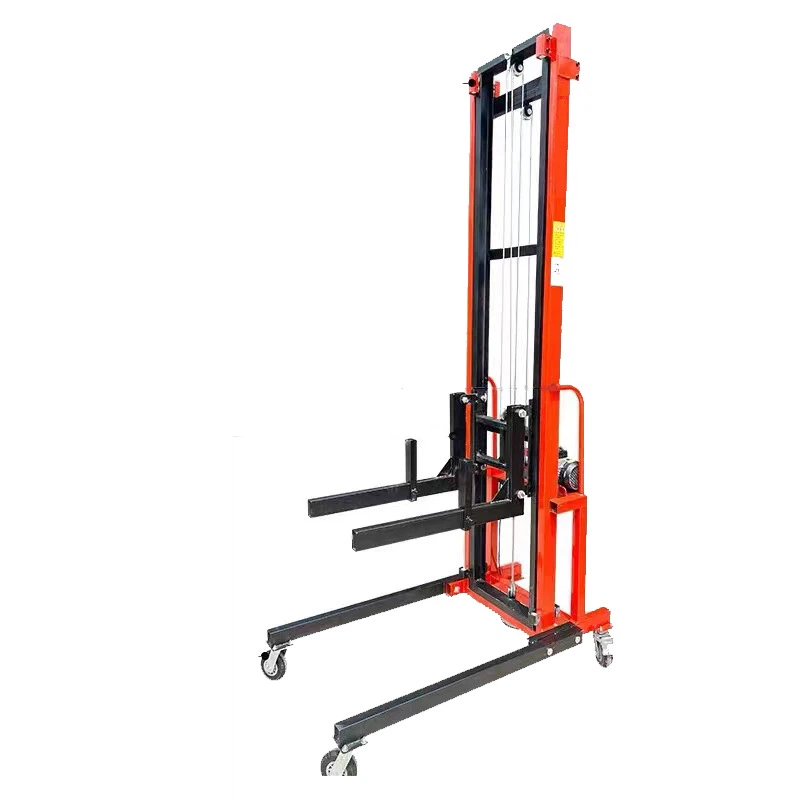
- Hydraulic Scissor Lifts: Hydraulic scissor lifts are powered by hydraulic cylinders, which provide smooth and precise lifting operation. They are capable of lifting heavy loads and can reach heights of up to several meters. Hydraulic scissor lifts are commonly used in commercial and industrial settings, where they are required to lift large air ducts and equipment.
- Electric Scissor Lifts: Electric scissor lifts are powered by electric motors, which make them more environmentally friendly and quieter than hydraulic scissor lifts. They are typically smaller and more maneuverable than hydraulic scissor lifts, making them suitable for indoor use and tight spaces. Electric scissor lifts are often used in residential and small commercial applications.
Boom Lifts
Boom lifts, also known as cherry pickers, are another popular type of air duct lift. They consist of a platform attached to a hydraulic arm that can be extended and maneuvered to reach different heights and angles. Boom lifts offer greater flexibility and reach than scissor lifts, making them ideal for working on tall buildings and hard-to-reach areas.
- Articulating Boom Lifts: Articulating boom lifts have multiple joints in the hydraulic arm, which allows them to be bent and maneuvered in different directions. This makes them highly versatile and suitable for working in confined spaces and around obstacles. Articulating boom lifts are commonly used in construction, maintenance, and repair work.
- Telescopic Boom Lifts: Telescopic boom lifts have a straight hydraulic arm that can be extended horizontally and vertically. They offer a greater reach than articulating boom lifts, making them ideal for working on tall buildings and structures. Telescopic boom lifts are often used in industrial and commercial applications, such as warehouses, factories, and power plants.
Mast Climbing Work Platforms
Mast climbing work platforms, also known as mast climbers, are a type of vertical access equipment that consists of a platform attached to a mast. The platform can be raised and lowered along the mast using a hoist system. Mast climbing work platforms offer a stable and efficient way to work at height, making them ideal for air duct installation and maintenance tasks on tall buildings.
- Single Mast Climbing Work Platforms: Single mast climbing work platforms have a single mast and a platform that can be raised and lowered along the mast. They are typically smaller and more maneuverable than multi-mast climbing work platforms, making them suitable for small to medium-sized buildings. Single mast climbing work platforms are often used in residential and commercial construction projects.
- Multi-Mast Climbing Work Platforms: Multi-mast climbing work platforms have multiple masts and a platform that can be raised and lowered along the masts. They offer a greater load capacity and reach than single mast climbing work platforms, making them suitable for large-scale construction projects and tall buildings. Multi-mast climbing work platforms are commonly used in high-rise construction, bridge building, and industrial maintenance.
Forklifts
Forklifts are a type of material handling equipment that can be used for air duct installation and maintenance tasks. They consist of a mast, forks, and a hydraulic system that allows the forks to be raised and lowered. Forklifts offer a convenient and efficient way to lift and move heavy air ducts and equipment, making them ideal for large-scale projects.
- Electric Pallet Truck: Electric pallet trucks are a type of forklift that is designed for moving pallets and other heavy loads. They are powered by electric motors, which make them more environmentally friendly and quieter than traditional forklifts. Electric pallet trucks are typically smaller and more maneuverable than other types of forklifts, making them suitable for indoor use and tight spaces. You can find more information about electric pallet trucks here.
- Curving Boom Loading And Unloading Truck: Curving boom loading and unloading trucks are a type of forklift that is designed for loading and unloading cargo from trucks and trailers. They have a curved boom that can be extended and maneuvered to reach different heights and angles. Curving boom loading and unloading trucks offer a greater reach and flexibility than traditional forklifts, making them ideal for working on large trucks and trailers. You can find more information about curving boom loading and unloading trucks here.
- Fire Pipe Lift: Fire pipe lifts are a type of forklift that is designed for lifting and installing fire pipes and other heavy pipes. They have a specialized attachment that allows them to grip and lift pipes securely. Fire pipe lifts offer a safe and efficient way to install fire pipes, making them ideal for commercial and industrial buildings. You can find more information about fire pipe lifts here.
Choosing the Right Air Duct Lift
Choosing the right air duct lift depends on several factors, including the height and reach required, the weight and size of the air ducts and equipment, the type of work environment, and the budget. It is important to consult with a professional air duct lift supplier to determine the best lift for your specific needs.
In addition to the type of lift, there are several other factors to consider when choosing an air duct lift, including:
- Safety Features: Look for lifts that have safety features such as guardrails, emergency stop buttons, and overload protection. These features can help prevent accidents and injuries on the job site.
- Maneuverability: Consider the maneuverability of the lift, especially if you will be working in tight spaces or around obstacles. Look for lifts that are easy to operate and can be maneuvered in different directions.
- Capacity: Make sure the lift has a sufficient capacity to handle the weight and size of the air ducts and equipment you will be lifting. It is important to choose a lift that can handle the maximum load you will be working with.
- Maintenance and Service: Look for lifts that are easy to maintain and service. Choose a supplier that offers regular maintenance and repair services to ensure the lift is always in good working condition.
Conclusion
Air duct lifts are essential equipment for air duct installation, maintenance, and repair tasks. There are several types of air duct lifts available on the market, each with its own unique features and benefits. When choosing an air duct lift, it is important to consider the height and reach required, the weight and size of the air ducts and equipment, the type of work environment, and the budget. By choosing the right lift and following the safety guidelines, you can ensure a safe and efficient job site.
If you are in the market for an air duct lift, please contact us to discuss your specific needs. Our team of experts can help you choose the right lift for your project and provide you with the support and service you need to keep your lift in good working condition. We look forward to working with you!
References
- OSHA. (2023). Powered Industrial Trucks. Retrieved from https://www.osha.gov/powered-industrial-trucks
- ANSI. (2019). A92.20 - Safety Requirements for Self - Propelled Articulating and Telescopic Boom Lifts.
- ASME. (2018). B56.1 - Safety Standard for Low - Lift and High - Lift Trucks.